

Logo
  • Home
  • Ask
  • Teen Help Network
  • About
    • About Judge Tom
    • Books
    • FAQs
    • Press Room
  • Your Rights
    • Crime and Punishment
    • Student Rights at School
    • You and Your Body
    • You and the Internet
    • Juvenile Justice System
    • LGBT Youth Rights
    • More Categories
  • Blog
  • Get Help
    • Videos
    • A Teenager’s Guide to Juvenile Court
    • Books
    • Research & Resources
  • Newsletter Signup


Q&A

Know your rights! Youth justice and juvenile law answers.

Askthejudge.info features regular updates from the news, important decisions from the nation′s courts, and online discussions with Judge Tom. Find out everything you need to know about youth rights, juvenile law and juvenile justice. AsktheJudge – Empowering youth one question at a time.

Disclaimer: The information contained in this site is made available to the general public and is not intended to serve as legal advice.You should consult a trained legal professional in your area for questions you may have about the laws affecting juveniles or any legal interpretations.

Copyright, 2014
Logo
October 3, 2011
Judge Tom
Blog
2

Prayers before public school board meeting unconstitutional
PreviousNext
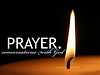
The Indian River School District in Delaware was founded in 1969. In 2006, the school district passed a prayer policy for it’s school board meetings. Board members were required to rotate in leading a prayer or a moment of silence at the beginning of each meeting. The policy permitted religious or non-religious prayer “in the name of a Supreme Being, Jehovah, Jesus Christ, Buddha, Allah” or any other entity.

As it turned out, prayers were almost always Christian. Two families challenged the prayers as a violation of the First Amendment’s prohibition against government establishment of religion. Students were often present at the school board meetings as student government representatives, and academic and sports team members.

Consequently, the school board meetings were akin to other school events such as graduation ceremonies. The Supreme Court ruled in 1992 (Lee v. Weisman) that school-sponsored prayer having a coercive effect on students is unconstitutional.

Photo by John Beagle (Flickr)

The Third Circuit Court of Appeals concluded it’s ruling* in Delaware’s case by quoting the 1962 Supreme Court decision in Engel v. Vitale: “It is neither sacrilegious nor anti-religious to say that each separate government in this country should stay out of the business of writing or sanctioning official prayers and leave that purely religious function to the people themselves.” This decision affects Delaware, New Jersey and Pennsylvania – the jurisdiction of the Third Circuit.

Find out more about prayer in public schools.

*Doe v. Indian River School District (Third Circuit Court of Appeals, 2011)
Share this
Judge Tom

The Author Judge Tom

Judge Tom is the founder and moderator of AsktheJudge.info. He is a retired juvenile judge and spent 23 years on the bench. He has written several books for lawyers and judges as well as teens and parents including 'Teen Cyberbullying Investigated' (Free Spirit Publishing) and 'Every Vote Matters: the Power of Your Voice, from Student Elections to the Supreme Court' (Free Spirit Publishing). In 2020, the American Bar Association published "Cyberbullying Law," the nation's first case-law book written for lawyers, judges and law students. When he's not answering teens' questions, Judge Tom volunteers with the American Red Cross and can be found hiking, traveling and reading.

Find great resources in our

Teen Help Network


Leave A Comment Cancel reply

2 Comments

  • Tulsa Divorce Lawyers
    October 3, 2011 6:27 pm count( 0 )

    I can see why some people who are in attendance would be upset. If the prayer appears on its face to be ‘school-sponsored’, then the prayer is a violation of the first amendment.