

Logo
  • Home
  • Ask
  • Teen Help Network
  • About
    • About Judge Tom
    • Books
    • FAQs
    • Press Room
  • Your Rights
    • Crime and Punishment
    • Student Rights at School
    • You and Your Body
    • You and the Internet
    • Juvenile Justice System
    • LGBT Youth Rights
    • More Categories
  • Blog
  • Get Help
    • Videos
    • A Teenager’s Guide to Juvenile Court
    • Books
    • Research & Resources
  • Newsletter Signup


Q&A

Know your rights! Youth justice and juvenile law answers.

Askthejudge.info features regular updates from the news, important decisions from the nation′s courts, and online discussions with Judge Tom. Find out everything you need to know about youth rights, juvenile law and juvenile justice. AsktheJudge – Empowering youth one question at a time.

Disclaimer: The information contained in this site is made available to the general public and is not intended to serve as legal advice.You should consult a trained legal professional in your area for questions you may have about the laws affecting juveniles or any legal interpretations.

Copyright, 2014
Logo
November 29, 2010
Judge Tom
Blog
1

Students with disabilities may be included in nonacademic activities

PreviousNext

In October, 2010, the Minnesota Supreme Court ruled in favor of a 5th grade student at the Independent School District No. 12, Centennial.  The young girl suffered from autism and Tourette’s syndrome.  Her parents asked the school to provide services in order for her to play volleyball and participate in other after-school activities.

The school district responded by telling the parents that federal law didn’t require them to accommodate activities unrelated to a child’s “education.”  Under the federal Individuals with Disabilities Education Act (IDEA) that calls for special education services in public schools, all qualifying students are interviewed.  An Individual Education Program (IEP) is designed for each student. The IEP is a personalized plan detailing a disabled student’s unique educational needs and identifying necessary accommodations.
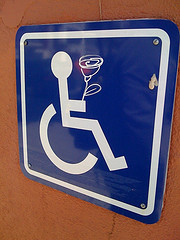
Photo by Jason Tester

The girl’s parents appealed the district’s ruling and the Minnesota Department of Education agreed with the parents.  The matter ended up in court and the state supreme court ruled that federal regulations “do not limit extracurricular and nonacademic activities included in an Individual Education Plan (IEP) to extracurricular and nonacademic activities required to educate a disabled student.”  In other words, accommodations are to be made for all disabled students regardless of whether the activity is related strictly to academic pursuits.

The court held that “Requiring disabled students to prove an educational benefit, when nondisabled students need not, does not afford disabled students an equal opportunity to participate in extracurricular and nonacademic activities.”

Share this
Judge Tom

The Author Judge Tom

Judge Tom is the founder and moderator of AsktheJudge.info. He is a retired juvenile judge and spent 23 years on the bench. He has written several books for lawyers and judges as well as teens and parents including 'Teen Cyberbullying Investigated' (Free Spirit Publishing) and 'Every Vote Matters: the Power of Your Voice, from Student Elections to the Supreme Court' (Free Spirit Publishing). In 2020, the American Bar Association published "Cyberbullying Law," the nation's first case-law book written for lawyers, judges and law students. When he's not answering teens' questions, Judge Tom volunteers with the American Red Cross and can be found hiking, traveling and reading.

Find great resources in our

Teen Help Network


Leave A Comment Cancel reply

1 Comment